Chicago venue logistics for a visiting official: arrivals, ground movement, and airports
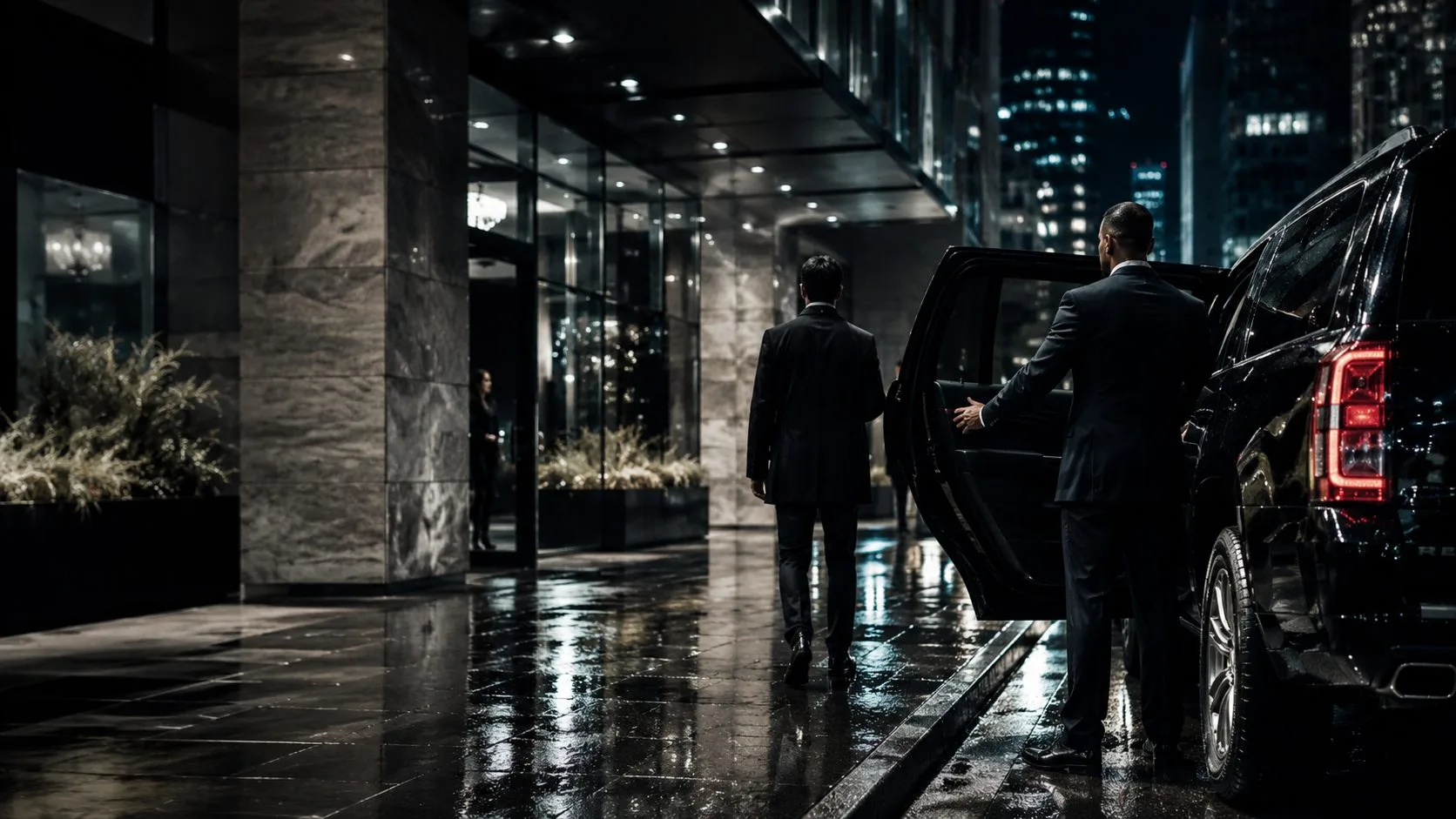
Moving a public official through Chicago is a logistics problem before it is a security problem. The city has a dense downtown with limited curb access, a convention center that is effectively its own district, three airports that serve entirely different purposes, and a construction schedule that rewrites the map every spring. Advance staff planning their first Chicago visit routinely underestimate all of it.
Here is what actually matters on the ground.
Downtown arrivals: the dock is usually the answer
Most downtown Chicago venues, hotels included, offer two realistic arrival points. The front entrance, which puts the principal on a public sidewalk on a street with traffic, and the loading dock or interior garage, which does not.
The front entrance makes sense when the arrival is the point. A ribbon cutting, a press availability, a rally where the walk-in is part of the event. For everything else the dock is better, and it is better for reasons that have nothing to do with drama: it is off the street, it is controllable, it usually connects to a service elevator, and it does not require the principal to cross a sidewalk that anyone can stand on.
Loop and West Loop buildings add a wrinkle. Many have building security that controls the dock and requires advance notice, sometimes a certificate of insurance, occasionally a scheduled window. That is a call to make ten days out, not the morning of.
McCormick Place is its own planning problem
McCormick Place is not a venue in the ordinary sense. It is four connected buildings across a large campus, and the distance between where a vehicle can stop and where an event is actually happening can be substantial. Interior movement takes real time.
Two consequences. First, budget the interior walk into the schedule rather than treating arrival as the same thing as being in the room. Second, identify the specific building and hall early, because "we're at McCormick" narrows the location down to about the size of a neighborhood. The campus has its own security operation, and coordinating with them in advance is not optional.
The three airports are not interchangeable
O'Hare is where commercial arrivals land, and it is a large, complex facility with real distance between gates and curbs. For a principal arriving commercially, the plan hinges on the terminal, the gate, and whether anyone is meeting them airside. Traffic between O'Hare and downtown is genuinely unpredictable, and the range between a good run and a bad one on the Kennedy is wide enough that you should build the schedule around the bad one.
Midway is smaller, closer in some respects, and often faster end to end for a commercial arrival, especially outside rush hour. It serves a narrower set of carriers, so it is frequently not a choice.
Chicago Executive, in Wheeling, is the general aviation option for private arrivals, along with the FBOs at the other fields. A private arrival is a fundamentally different logistics problem: the vehicle can typically stage close, the exposure window is short, and the coordination runs through the FBO rather than through an airport authority. Tail number tracking replaces flight tracking, and arrival times move more than commercial ones do.
Whichever field, track the flight and stage early. A principal standing at a curb waiting for a car is the outcome the entire plan exists to prevent.
Routes need alternates, and in this city they need real ones
An alternate route that exists only on a map is not an alternate. Drive both, at the time of day the movement will actually happen.
Chicago-specific factors that break route plans: construction on the Kennedy and the Eisenhower, which shifts season to season. Lower Wacker, which is fast when it works and a trap when it does not. Bridge lifts on the river in spring and fall, which run on a published schedule that almost nobody checks. Street closures for festivals, marathons, and parades, which take out large parts of the Loop and the lakefront on specific weekends. And game days, which change traffic patterns around the United Center, Wrigley, and Soldier Field in ways that surprise people who do not live here.
Check the city's event and closure listings for the date before you finalize anything. It takes ten minutes and it has saved more schedules than any driving technique.
Weather is a security variable here
Chicago winters change protective planning in concrete ways. Ice affects how quickly a principal can be moved on foot. Wind off the lake makes an exposed plaza arrival genuinely unpleasant and pushes hosts toward last-minute changes. Snow removal determines whether the dock you planned around is usable.
In summer the lakefront event calendar is the constraint. A downtown arrival during a major festival weekend is a different problem than the same arrival two weeks earlier.
The one thing to settle first
Before anything else, settle the arrival point and get it confirmed by whoever controls it. Not the venue's event coordinator, who books rooms. The person who controls the dock, the garage, or the entrance you plan to use. Everything downstream of that decision, including the route, the timing, and the interior plan, depends on it, and it is the detail most likely to change on you if nobody has confirmed it in writing.
TB Defense provides secure ground movement and protective coverage for officials and delegations throughout Chicago, including O'Hare, Midway, and private aviation arrivals. Consultations are confidential. Get protected.